

Dr. Vishnu Agrawal
Published on March 21, 2026
Kidney Stones: Causes, Symptoms, Prevention & Best Treatment Options – A Urologist’s Guide
Kidney Stones: Causes, Symptoms, Prevention & Best Treatment Options – A Urologist’s Guide
✍️ Introduction
Kidney stones are one of the most common urological conditions I’ve treated in my 15 years of practice. The number of cases has increased significantly due to lifestyle changes, dehydration, and dietary habits. Many patients ignore early symptoms, which often leads to severe pain and complications.
This guide will help you understand everything about kidney stones and how to manage them effectively.
🔍 What Are Kidney Stones?
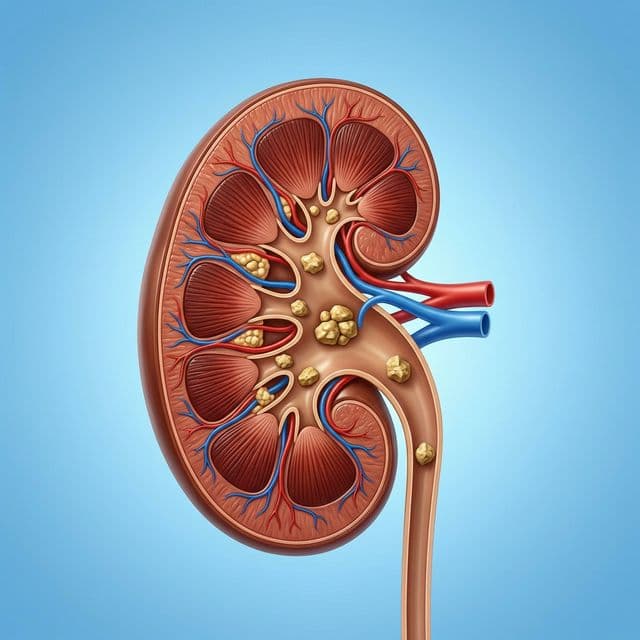
Kidney stones are hard deposits made of minerals and salts that form inside the kidneys. They can vary in size—from tiny crystals to large stones—and may cause severe pain when passing through the urinary tract.
⚠️ Common Symptoms
- Severe pain in the lower back or side
- Pain during urination
- Blood in urine
- Frequent urge to urinate
- Nausea and vomiting
👉 In some cases, small stones may not show symptoms until they start moving.
🔎 What Causes Kidney Stones?
- Dehydration
- Not drinking enough water is the most common cause
- Dietary Factors
- High salt, sugar, and protein intake
- Family History
- Genetic tendency increases risk
- Obesity
- Linked to metabolic changes
- Medical Conditions
- Urinary infections, metabolic disorders
❌ Common Myths About Kidney Stones
- ❌ “Only men get kidney stones”
- ❌ “Once treated, they never come back”
- ❌ “Beer helps flush out stones”
- ❌ “All stones need surgery”
👉 These myths often delay proper treatment.
✅ Best Treatment Options
- 💧 Hydration & Natural Passing
- Small stones can pass naturally with increased water intake
- 💊 Medications
- Pain relief and medicines to help stone passage
- 🧪 Non-Surgical Treatments
- ESWL (Shock Wave Lithotripsy) – breaks stones into smaller pieces
- 🏥 Surgical Options
- URS (Ureteroscopy)
- PCNL (Percutaneous Nephrolithotomy) for large stones
🥗 Prevention Tips (Most Important)
- Drink at least 2.5–3 liters of water daily
- Reduce salt and processed foods
- Maintain a balanced diet
- Avoid excessive protein intake
- Regular health checkups
⚠️ When Should You See a Urologist?
- Severe or unbearable pain
- Blood in urine
- Fever with urinary symptoms
- Recurrent kidney stones
💡 Expert Advice (From 15 Years of Practice)
- Prevention is always better than treatment
- Don’t ignore mild symptoms
- Regular hydration is the key
- Follow-up is important to avoid recurrence
🏁 Conclusion
Kidney stones are painful but highly manageable with the right approach. Early diagnosis, proper treatment, and lifestyle changes can help you stay stone-free and healthy.

